
FOR MELTDOWNS, TANTRUMS & BEDTIME CHAOS
Tired parents doing their best. Calming books that do the heavy lifting.
Bedtime stories for kids and bedtime books for toddlers with calming techniques built into every page. Your child breathes, traces, and slows down by following the story. You read. They calm down. Works with repetition.
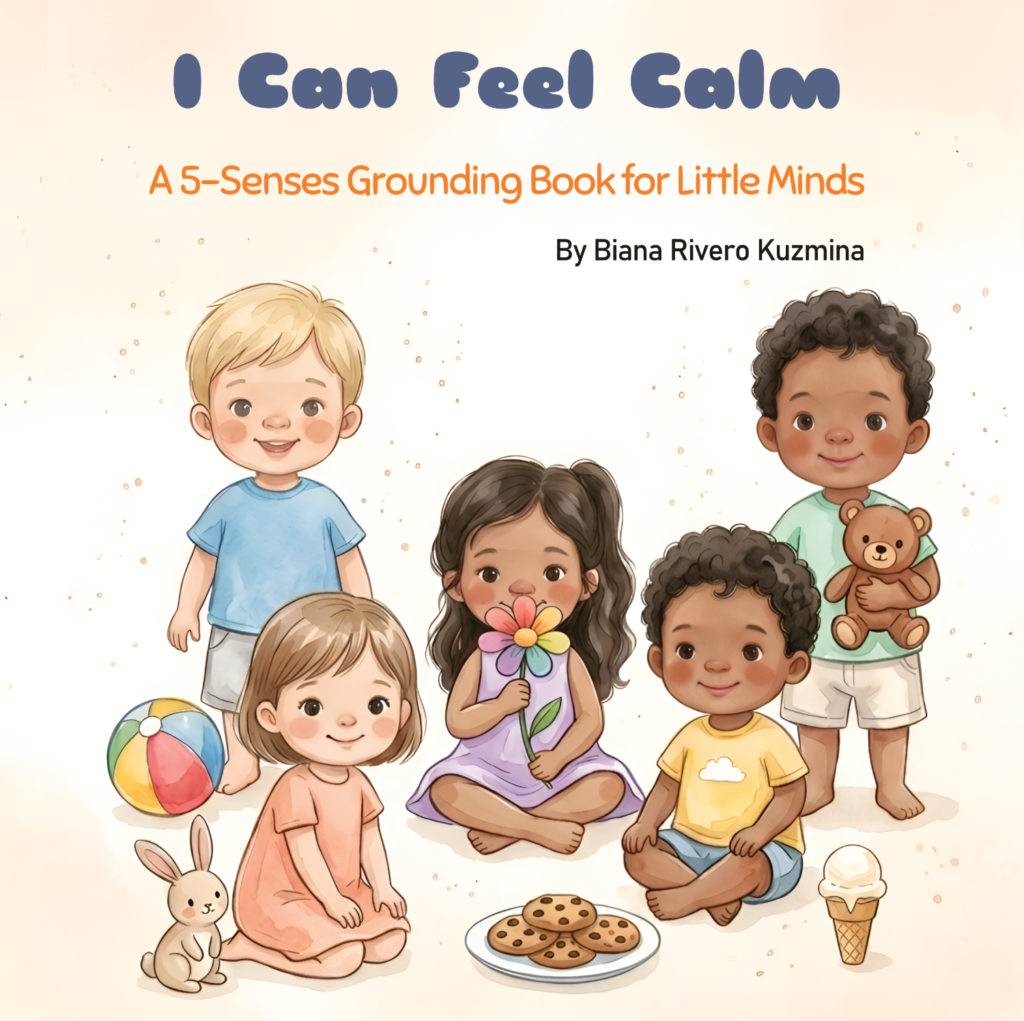
No prep. No training.
No guilt. Just read the page.
SOUND FAMILIAR?
You’ve tried everything. They’re still melting down.
It’s 7:45 PM. Your child is overtired, overstimulated, and completely falling apart. Another bedtime meltdown. You’ve tried the deep breaths. You’ve tried counting to ten. You’ve tried the calm voice. Nothing is landing.
If you’ve ever searched “how to calm an overstimulated child at bedtime,” this is for you.
You know they need help to calm down at bedtime. But right now? You’re running on empty. You don’t have the energy to teach a calming lesson on top of everything else.
You’re not failing. You’re exhausted. There’s a difference.
These books exist so you don’t have to be their therapist at 8 PM on a hard day. You pick up the book. You read the words on the page. The story does the rest. No prep. No training. No guilt.
WHY NOTHING STICKS
Calm-down charts don’t work at 8 PM on a Wednesday.
Most calm-down books and calming tools ask your child to stop, think, and choose a strategy. That works when they’re already calm. It doesn’t work mid-meltdown.
Feelings posters and calm-down corners
A child in the middle of big feelings can’t read a poster and pick an emotion. They can’t think straight when they’re that upset.
Breathing exercises you have to teach first
They work, but only if your child already knows how. At 8 PM, you don’t have time to teach a calming lesson before the calming can start.
Apps and screen-based tools
Another screen is the last thing a wound-up child needs before bed. Screens make it harder to wind down, not easier.
“Use your words” / “Take a deep breath”
You’ve said it a thousand times. They can’t hear you mid-meltdown. Their body won’t let them.
These tools aren’t bad. They’re just not designed for the worst moments.
HOW IT WORKS
You read. They calm down.
The teaching is in the storytelling.
1
Your child is overwhelmed
Big feelings hit. A meltdown, bedtime resistance, a hard transition. Nothing is working.
2
You pick up the book and read
No scripts. No flashcards. The calming practice, breathing exercises, finger tracing, and repetition are woven into the story itself. These are books that teach breathing through stories, not worksheets. You don’t teach. You read.
3
Their bodies slow down
Your child breathes along with the characters. They trace paths on the page. The rhythmic phrases help their body slow down. This is body-based calming for kids, not rules about behavior. There are things your child’s body does while you read. No worksheets. No lesson plans. Just a story that helps them self-regulate. Works with repetition.
SEE INSIDE A STORY
Calming techniques built right into the story
Breathing prompts
“Breathe in with the wave… breathe out as it rolls away.” Your child follows the story’s rhythm, and their breathing slows, without being told to “take a deep breath.”
Finger tracing
Tracing paths are built into the illustrations, a sensory calming activity your child does while you read. The movement gives their hands something to do and helps their bodies stop racing.
Calming repetition
Phrases repeat throughout the story. The predictability is what makes it work, the same reason lullabies have always worked. Kids calm down when they know what’s coming next.
SHOP BY FORMAT
Find what fits your family
Print Books
Calming bedtime books shipped via Amazon. Hold it, read it, shelve it. The one they’ll ask for every night.
eBooks
Read on any device, anywhere. For the car, the waiting room, and the 3 AM wake-up.
WHAT AGE IS THIS FOR?
Big feelings don’t have an age limit
These calming books for kids work because calming down is physical. A toddler’s body and a seven-year-old’s body respond to the same things — breathing, rhythm, touch.
Ages 1–3
At this age, they calm down because you’re calm. Your voice, your pace, your warmth, that’s what they’re borrowing. You read slowly. They match your pace. The rhythm of the words and the tracing on the page give them something to hold onto. This is what makes them work as calming books for toddlers. The calming happens through you.
Ages 3–5
They start following the breathing on their own. The repetition is the point. They start to know what comes next, and that’s what helps them relax. These work as calm down books for preschoolers because the calming is physical, not conceptual, perfect for big feelings before bed.
Ages 5–7+
They start doing it on their own. You’ll hear them use breathing or the phrases outside of reading time: in the car, at school, before a hard thing.
Same book. But over time, they need it less — because the calming starts to stick.
This is for you if…
Your child melts down, and you don’t know what to say
Bedtime is a battle every single night, and nothing calms them down
Transitions always end in tears
Your kid is extra sensitive, and most things are too much
You’ve Googled “my kid won’t calm down” at 11 PM
You want calm before the hard moment, not after
WHY PARENTS TRUST THESE BOOKS
Made by a nurse who gets it
Created by a registered nurse and mom with years in cardiac, psychiatric, and complex care settings. The calming practice in these books comes from clinical work — not Pinterest. We made it simple enough for a bedtime story.
Built on real calming science
Breathing, sensory input, and repetition aren’t trends. They’re how the body actually calms down. We made them simple enough for a bedtime story.
Designed for the hard moments
Not for a calm Tuesday afternoon. For the 7:45 PM meltdown. For the car ride that’s going sideways. For the morning when everyone is late and nobody is okay.
Works across neurotypes
These are calming books for neurodivergent kids and for highly sensitive children alike, because they work through the body: breathing, touching, listening.
No screens required
A physical book or a printed page. That’s it. No app to download, no subscription, no device to charge.
Tested by real families
Parents tell us bedtime has gotten quieter. Meltdowns got shorter. And their kids started doing the breathing on their own, without being asked.
FAQ
Questions parents ask
What age are these books for?
The calming practice is physical, so it works across ages. Most families start between ages 1 and 6, but older kids benefit too, especially those who are extra sensitive or neurodivergent. The books don’t age out. Over time, your child just needs them less because the calming starts to stick.
How are these different from other calming books for kids?
Most social-emotional learning books and books about feelings for kids teach children about emotions, naming feelings, and choosing strategies. That’s valuable, but it requires a child to think clearly. Our books skip that step. The breathing, tracing, and repetition are woven into the story itself, so your child practices calming down without realizing it. You read. They calm down.
Do I need to teach my child anything first?
No. That’s the whole point. You pick up the book and read. The calming practice is part of the story. Your child follows along naturally. No prep, no pre-teaching, no instructions to memorize.
What calming skills are in the books?
Breathing that matches the story’s rhythm so your child slows down without being told to. Finger tracing paths built into the pictures. And repeating phrases that help their body relax, the same way a lullaby does. These come from real science, made simple enough for a bedtime story.
Will this work for my neurodivergent child?
These books work through the body: breathing, touching, listening – not through thinking or talking. They don’t depend on a child being able to name emotions, follow multi-step instructions, or “use their words.” Many parents of neurodivergent children tell us these books work when other tools don’t.
What formats are available?
Print books shipped via Amazon, printable PDFs you can download and print at home, and eBooks you can read on any device.
How quickly will I see results?
Some families notice a shift the first night, especially with bedtime. For most, the calming starts to stick with repetition over 1–2 weeks. Your child starts to connect the book with feeling calm, and eventually they’ll use the breathing and phrases on their own, without being asked.
Can I use these as a calming bedtime routine?
Yes, many parents use a Grounded Press book as the last step in their bedtime routine. The breathing and repetition signal to your child’s body that it’s time to wind down. Over time, the book itself becomes the routine. We also offer a bedtime calming routine printable if you want something you can pin to the wall. No extra steps needed.
Are there breathing exercises for kids in the books?
Yes, these are books with breathing exercises for kids woven into the story. Your child follows along with the characters without being told to “take a deep breath.” The breathing matches the rhythm of the words, so it happens naturally as you read.
Who created these?
A registered nurse and mom with years in cardiac, psychiatric, and complex care settings. The calming practice comes from clinical work, made simple enough for real kids and real chaos.